
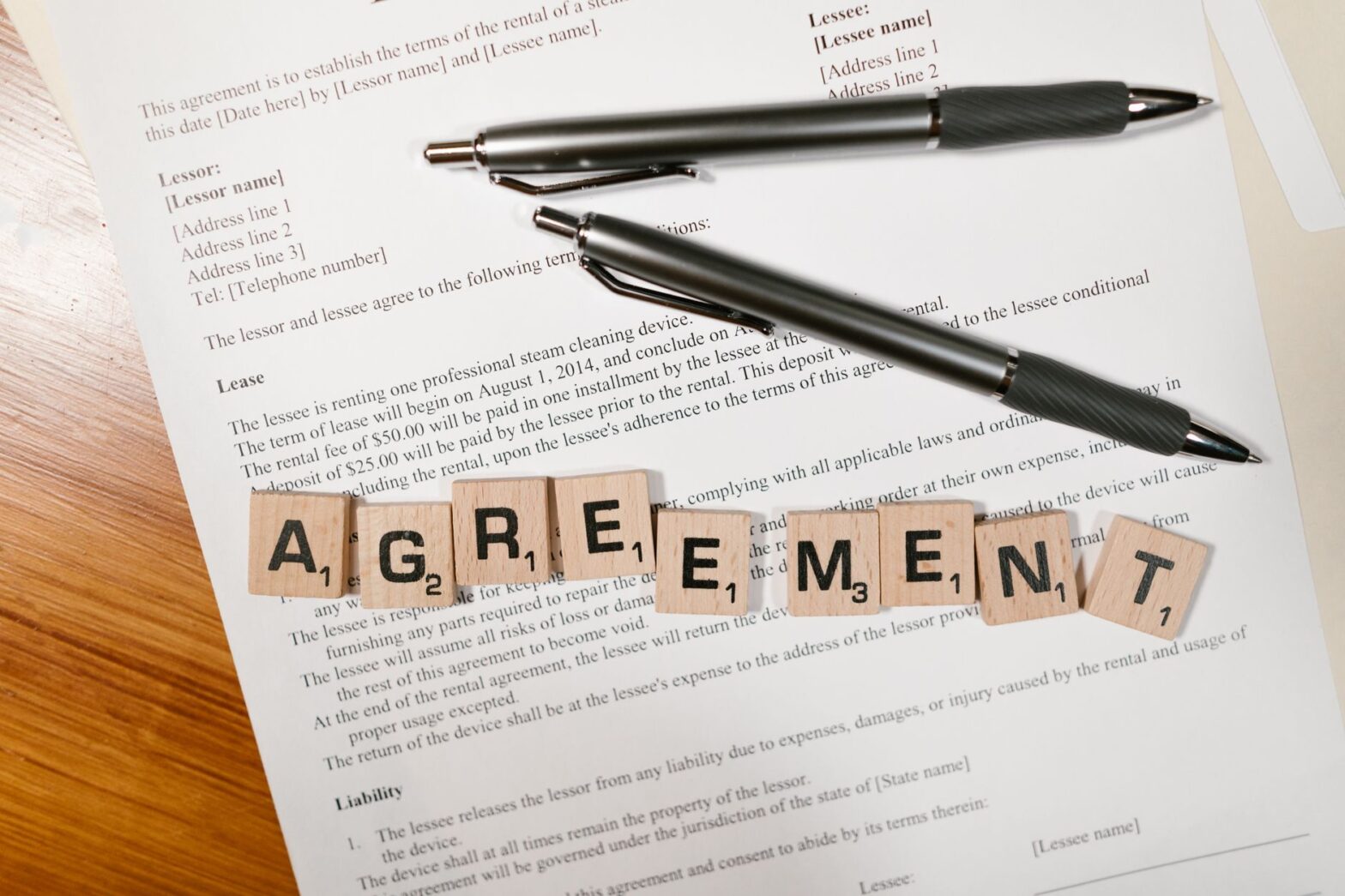
What to Include in a Performer Booking Agreement
What to Include in a Performer Booking Agreement
The clauses that protect your event, your budget and your guest list, written for clients booking entertainment in Dubai and Abu Dhabi.


A performer booking agreement should cover the fee and payment schedule, a cancellation policy with specific dates and refund percentages, exact performance times and breaks, technical and space requirements, liability and insurance responsibility, image or video usage rights, and a force majeure clause for weather or government restrictions. In the UAE, it should also confirm who holds the work permit or NOC for the performer and who is responsible if one is missing on event day.
- What a performer booking agreement actually is
- The core clauses every agreement needs
- Fees, deposits and cancellation terms
- Set times, breaks and technical requirements
- Liability, insurance and work permits in the UAE
- Image and video usage rights
- Force majeure, weather and last-minute changes
- Booking through an agency versus direct with a performer
- FAQ
1. The basics
What a performer booking agreement actually is
A performer booking agreement is a written contract between the client (or their agency) and the act, confirming exactly what is being delivered, for how long, for how much, and what happens if either side changes the plan. It is not the same as a WhatsApp message saying "confirmed for the 14th" or a quote sent by email. Those are useful for negotiation, but they rarely cover the five or six things that actually cause disputes: late cancellation, overtime, technical failures, no-shows and image usage.
In Dubai and Abu Dhabi, where a large share of events book international or freelance performers through an agency, the agreement also has to answer a question most clients do not think to ask until something goes wrong: who is legally allowed to perform at this venue, under what permit, and who is on the hook if that falls through on the day.
2. The checklist
The core clauses every agreement needs
Every performer booking agreement, whether it is for a solo oud player or a full dance troupe, should contain the same backbone of clauses. The details change by act type and venue, the structure does not.
| Clause | What it should specify | Why clients skip it and regret it |
|---|---|---|
| Fee and payment schedule | Total fee, deposit amount, balance due date, accepted payment method | Assume "pay on the day" is fine, then the performer does not show without a confirmed deposit |
| Cancellation policy | Refund percentage at 30, 14 and 7 days out, or whatever windows the agency uses | Only discuss cancellation verbally, then disagree on the percentage owed after the fact |
| Performance schedule | Call time, set length, number of sets, break length, end time | Assume "two hours" means two hours of continuous performance rather than two sets |
| Technical requirements | Stage or floor size, power points, sound and lighting needs, who supplies what | Leave it to "the venue will sort it" and find out neither side ordered a DJ booth |
| Liability and insurance | Who covers injury, damage or loss, and whether the performer carries their own cover | Only becomes relevant after a costume catches on a light rig, by which point it is too late |
| Image and video rights | Whether the client can film, photograph or repost the act, and for what use | Post a clip to the brand's Instagram and get a takedown request a week later |
| Force majeure | What happens if weather, government order or illness cancels the event | Assume the deposit is automatically refundable, when most agreements say otherwise |
| Work permit or NOC | Who arranges it, who pays for it, what happens if it is rejected or delayed | Assume the agency handles it by default, which is not always true for every act type |
If you are comparing acts across our act type pages, ask each one to confirm these eight points before you sign anything, even for a short slot. A 20-minute walkabout act and a 90-minute live band carry the same contractual risk if the paperwork is thin.
3. Money
Fees, deposits and cancellation terms
Most agencies in the UAE ask for a deposit of somewhere between 30% and 50% to hold a date, with the balance due between three and seven days before the event. These figures vary by agency and by act, so confirm the exact percentage and due date in writing rather than assuming it matches a quote you had for a different booking.
Cancellation terms usually scale with how close you are to the event. A common structure looks like this: full refund of the deposit if cancelled more than 30 days out, 50% retained inside 30 days, and the full fee payable inside 7 to 14 days, because by that point the performer has turned down other work to hold your date. Again, confirm the exact bands in your contract, since they are not standardised across the market.
The agreement should also state what happens with overtime. If your event runs long and you want the act to keep going, the contract should give a per-30-minute or per-hour rate agreed in advance, not a number negotiated on the night when the performer has leverage and you have a room full of guests waiting.
4. On the day
Set times, breaks and technical requirements
Vague timing is one of the most common sources of friction on event day. "Two hours of entertainment" can mean two back-to-back sets, four 30-minute sets with breaks, or one long set with a short interval, and each of those changes how you plan your run of show. Put the exact structure in the agreement: number of sets, length of each, break duration, and the total call time the performer needs on site before they go on, which is often 45 to 60 minutes for setup and sound check depending on the act.
Technical requirements belong in the contract too, usually as an attached rider rather than buried in the body text. This covers stage or dance floor dimensions, power supply, sound system specifications, lighting, and whether the performer brings their own equipment or needs the venue to provide it. For dance acts and larger productions, such as our Ayala Dancers, floor space and surface type genuinely affect what they can safely perform, so this is not a box-ticking exercise.
5. Risk and paperwork
Liability, insurance and work permits in the UAE
The agreement should state clearly who is responsible if a performer is injured on site, damages equipment, or causes damage to the venue. Many agencies carry their own liability cover for their acts, but this is not universal, so ask the agency directly whether the performer or the agency is insured, and for what amount, rather than assuming.
The second paperwork issue is specific to the UAE: work permits and venue no-objection certificates. International performers working in Dubai or Abu Dhabi generally need to be engaged through a licensed entity, and some venues require a formal NOC before allowing outside entertainment on site, particularly hotels and large event spaces. This process and its exact requirements vary by venue and by the performer's visa status, so always confirm directly with the venue and the agency rather than assuming it is handled. A booking agreement should state in writing whose job it is to secure any required permit and what happens to your deposit if it is refused or delayed.
6. Content and brand use
Image and video usage rights
If you want to film the performance for your own highlight reel, post it to the brand's social channels, or use it in future marketing, say so in the agreement before the event, not after. Many performers and agencies are happy to grant usage rights, but some restrict it to personal use only, require credit, or charge a separate licensing fee for commercial use. This is a five-minute conversation before signing and a genuinely difficult one to have after your marketing team has already posted the clip. Check our privacy policy and the agency's terms for how performer and guest imagery is typically handled.
7. The unexpected
Force majeure, weather and last-minute changes
Outdoor events in Dubai and Abu Dhabi carry specific weather risk, from summer heat affecting costumed or dance acts to occasional heavy rain or dust that can shut a venue down with little warning. A proper agreement includes a force majeure clause defining what counts as an uncontrollable event, whether that is extreme weather, a government directive, or a public health restriction, and what happens to fees in that case. Some agencies offer a reschedule instead of a refund, others retain a portion of the deposit regardless of cause. Neither approach is wrong, but you need to know which one you have signed before the day arrives, not during a sandstorm.
The most expensive mistake clients make
Booking a performer on a verbal or email confirmation with no written cancellation clause, then assuming the deposit is fully refundable if plans change. Without a signed agreement specifying refund percentages at set time windows, clients regularly lose the entire deposit, or end up in a dispute over a figure nobody actually agreed to. A one-page signed contract, even for a modest solo act, removes almost all of this risk.
8. Who to sign with
Booking through an agency versus direct with a performer
Booking direct with an independent performer can be cheaper, but the contract, permit and insurance responsibility all sit with you. Booking through an established agency usually means the agreement, the backup performer in case of illness, and the permit paperwork are already built into the process, which is why most corporate and hotel events in the UAE go through one. If you are planning something specific, our event type guides break down what acts typically suit weddings, corporate launches and public festivals, which is a useful starting point before you draft the contract itself.
Whichever route you choose, read the terms the other party operates under. You can see how we structure ours on our terms and conditions page, which covers the same ground this guide describes: fees, cancellation, liability and performance standards.
Frequently asked questions
What should a performer booking contract include at minimum?
At minimum it should state the fee and deposit, the payment due date, the exact performance schedule including breaks, a cancellation policy with specific refund percentages tied to how close to the event you cancel, who is liable for injury or damage, and whether the client can film or photograph the act for any purpose beyond personal use.
How much deposit is normal for booking a performer in Dubai?
Deposits typically range from 30% to 50% of the total fee to secure a date, with the balance due a few days before the event. This varies by agency and act, so confirm the exact figure and due date in writing rather than assuming it matches another quote you have seen.
Can I get a full refund if I cancel a performer booking?
Usually only if you cancel well in advance, often more than 30 days before the event. Closer to the date, agencies typically retain part or all of the deposit because the performer has turned down other work to hold your booking. The exact refund bands should be written into your agreement, since they differ between agencies.
Do international performers need a work permit to perform in the UAE?
In most cases, yes, and requirements vary by venue, visa status and the type of event. Hotels and large venues often require a formal no-objection certificate before allowing outside entertainment. Confirm directly with the agency and the venue who is responsible for arranging this, and get it in writing in the booking agreement.
Who is liable if a performer is injured at my event?
This depends entirely on what the contract says. Some agencies carry liability insurance covering their performers on site, others do not, and in some cases the venue's own insurance applies. Ask directly and get the answer confirmed in writing in the agreement rather than assuming either the agency or the venue automatically covers it.
Can I film and post the performer on my event's social media?
Only if the agreement says you can. Some performers and agencies allow personal or editorial use but restrict commercial use, require credit, or charge a separate fee for marketing use. Raise this before the event and have the agreed usage rights written into the booking agreement so there is no dispute afterward.
What happens if a performer cancels on me last minute?
A solid agreement with a reputable agency should include a backup or replacement clause for illness or last-minute unavailability, since no single performer should be the only point of failure for your event. Ask any agency directly what their backup process is before you book, and make sure it is stated in the contract, not just promised verbally.
Is a verbal or email confirmation enough to book a performer?
No. An email or message can confirm interest and a quote, but it rarely covers cancellation terms, liability or overtime rates in enough detail to protect either side. A signed, written agreement covering fee, schedule, cancellation and liability is the only reliable way to avoid a dispute if plans change.
Need a performer booking agreement reviewed before you sign?
Talk to our team about your event date, act type and venue, and we will walk you through exactly what belongs in the contract.
Get a Free QuoteBook now or send your inquiry via email or WhatsApp: +971 50 541 7318.
SHARE TO:







Looking for an act or service? Browse all acts and services