

Event Staffing Agency Dubai: Roles, AED Rates and Booking
Hostesses, ushers, registration teams, waiters and bartenders, briefed and on site for corporate events, exhibitions and private celebrations across Dubai and Abu Dhabi.

★★★★★We hired a band from Bella Entertainment for a work function and it was just brilliant. Great comms, great organisation and brilliant friendly performers. Recommending without hesitation.
Natasha Hatherall-Shawe, Google review
★★★★★We booked Bella Entertainment's African drummers and dancers for our corporate event, and it was an amazing experience! The 30-minute performance was energetic, engaging, and truly entertaining.
Kavya Ashok, Google review
★★★★★Organized my yacht party with hiring a sax player and DJ for my birthday. Very good timing from Bella team and excellent price quality entertainment agency in UAE.
Walter P., Google review
Rated 4.4 on Google from 25 reviews. Read all reviews
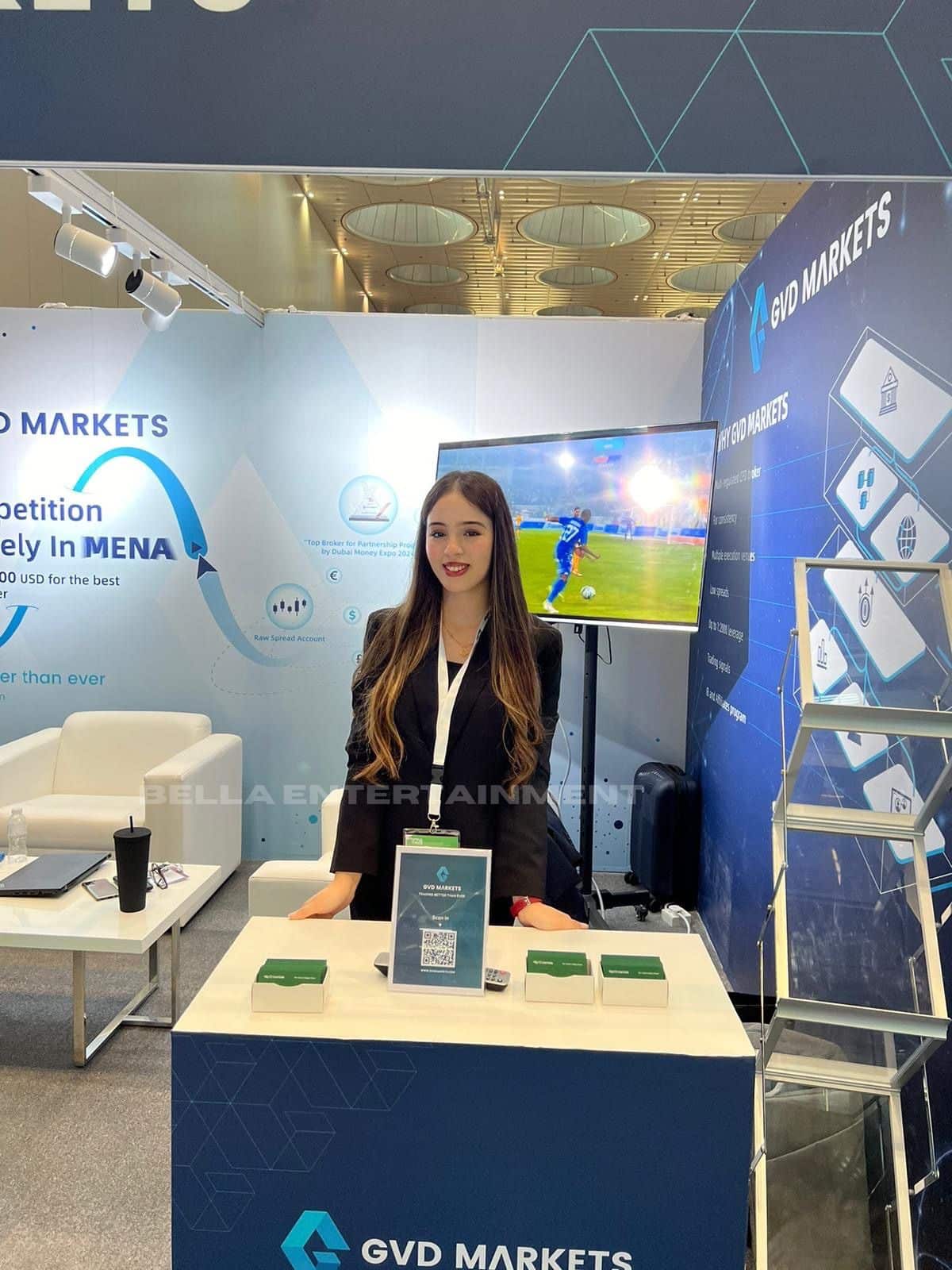
An event staffing agency in Dubai supplies trained hostesses, ushers, registration staff, waiters, bartenders and promoters for a shift, day or multi-day event, usually with a minimum booking of 4 to 6 hours per person. Rates typically run from AED 250 to AED 900 per person per shift depending on role, language skills and event type, with uniforms, a pre-event briefing and an on-site supervisor included for bookings above 15 staff. Bella Entertainment quotes within a working day and needs your event date, venue and headcount to price it accurately.
- Why staffing decides whether an event feels organised
- Roles an event staffing agency in Dubai actually covers
- AED rates by role, current season
- Staffing plans for 100, 500 and 2,000 guests
- Exhibitions, conferences and corporate bookings
- Permits, insurance and compliance
- Booking process, lead time and what goes wrong
- FAQ
Why staffing decides whether an event feels organised
Guests remember the queue at registration, the blank look from someone who did not know where the VIP entrance was, or the waiter who never came back with a second round. They rarely remember the flower arrangements. An event staffing agency in Dubai exists to close that gap: it puts trained, briefed people at every touchpoint of the event so nothing depends on a volunteer or an intern figuring it out on the day.
Most planners underestimate headcount and over-invest in décor. A 300-guest gala with two registration staff instead of five means a 20-minute queue at the door, which is the first thing every guest experiences and the last thing they forget. Staffing is not a nice-to-have line item, it is the operational layer that makes everything else visible.
Roles an event staffing agency in Dubai actually covers
Ask what "event staff" means and most agencies give you a vague answer. Here is the actual breakdown we book against, role by role.
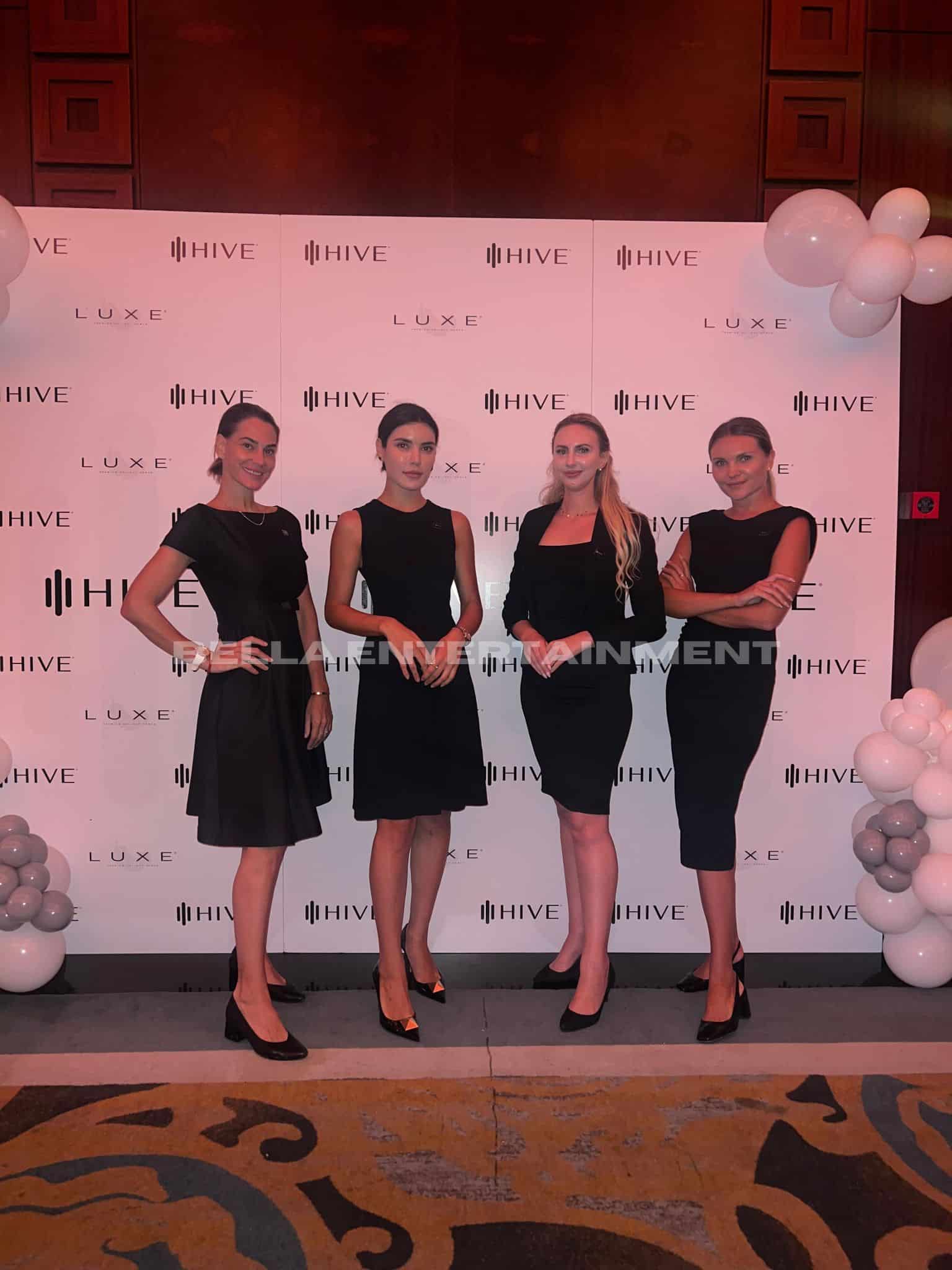
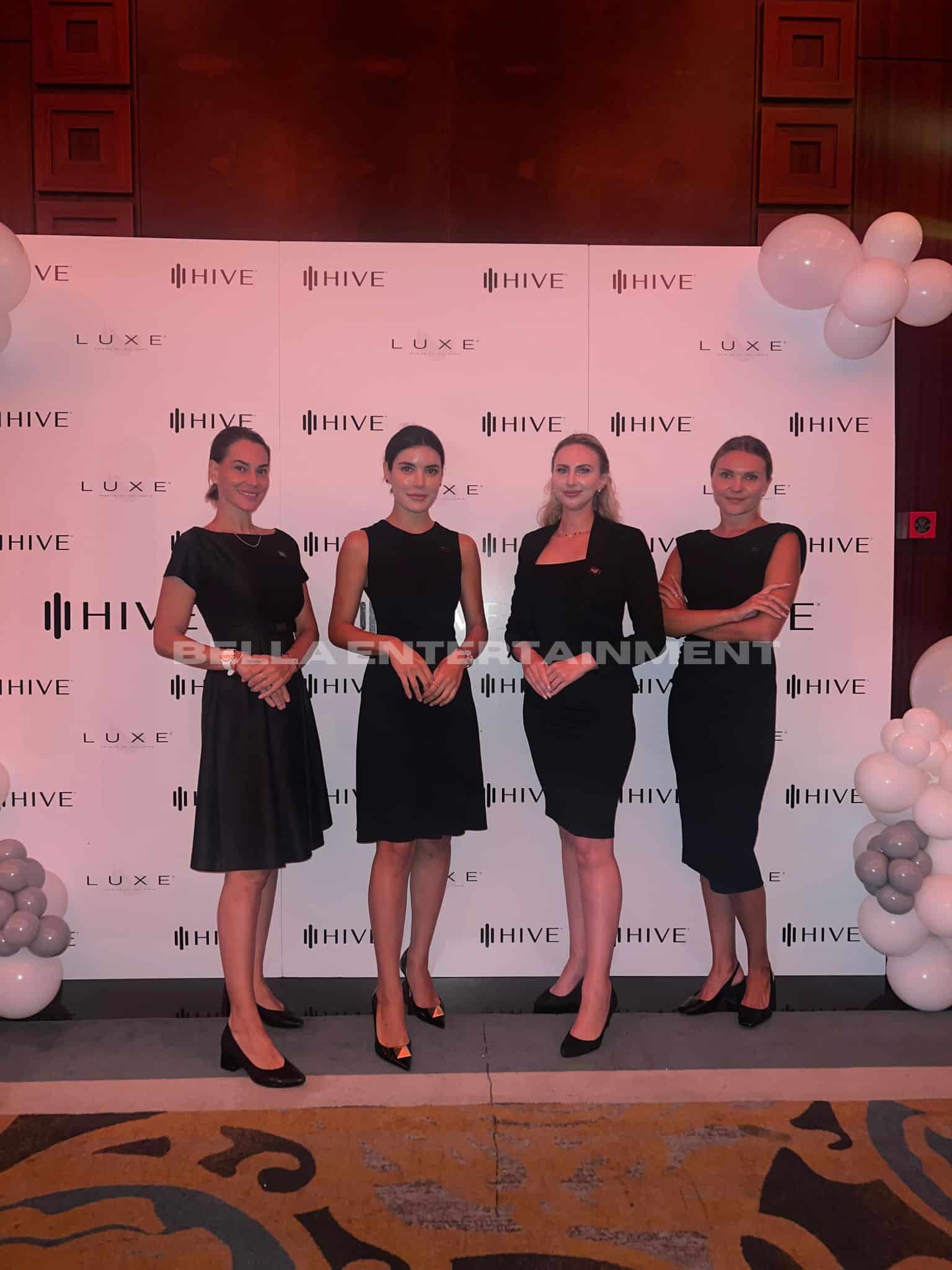
- Hostesses and greeters: first point of contact, guide guests, manage flow at entrances. See our hostess agency in Dubai for bilingual and VIP hostess options.
- Ushers and seating assistants: for gala dinners, awards nights and conferences with assigned or tiered seating.
- Registration and badge staff: check-in, name badges, guest list management, common at DWTC and Expo City exhibitions.
- Waiters and F&B service staff: canape service, plated dinners, buffet lines. Full details on our waiters for events listing.
- Bartenders and baristas: licensed venues only for alcohol service, plus mocktail and Arabic coffee stations for a more local touch.
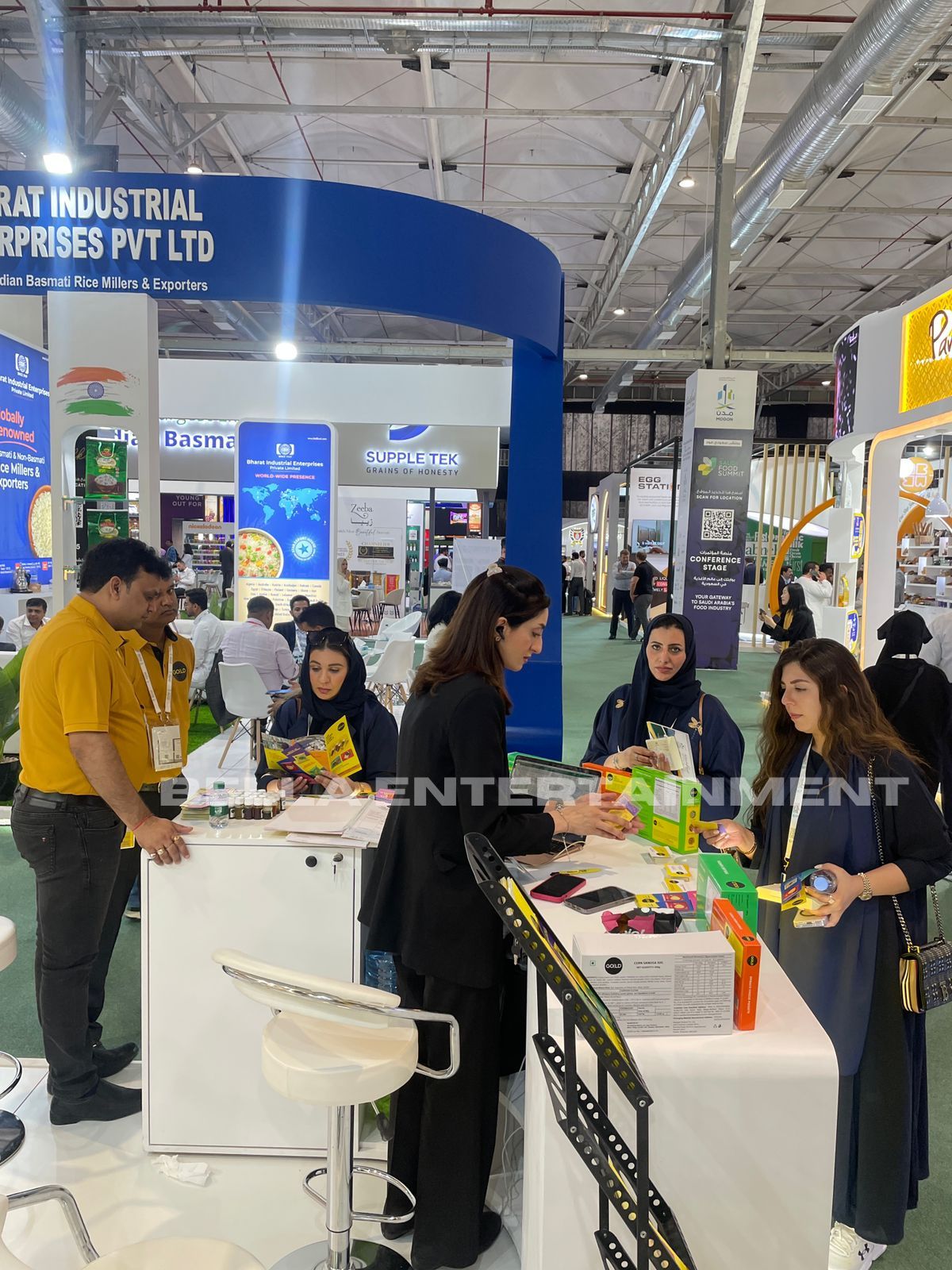
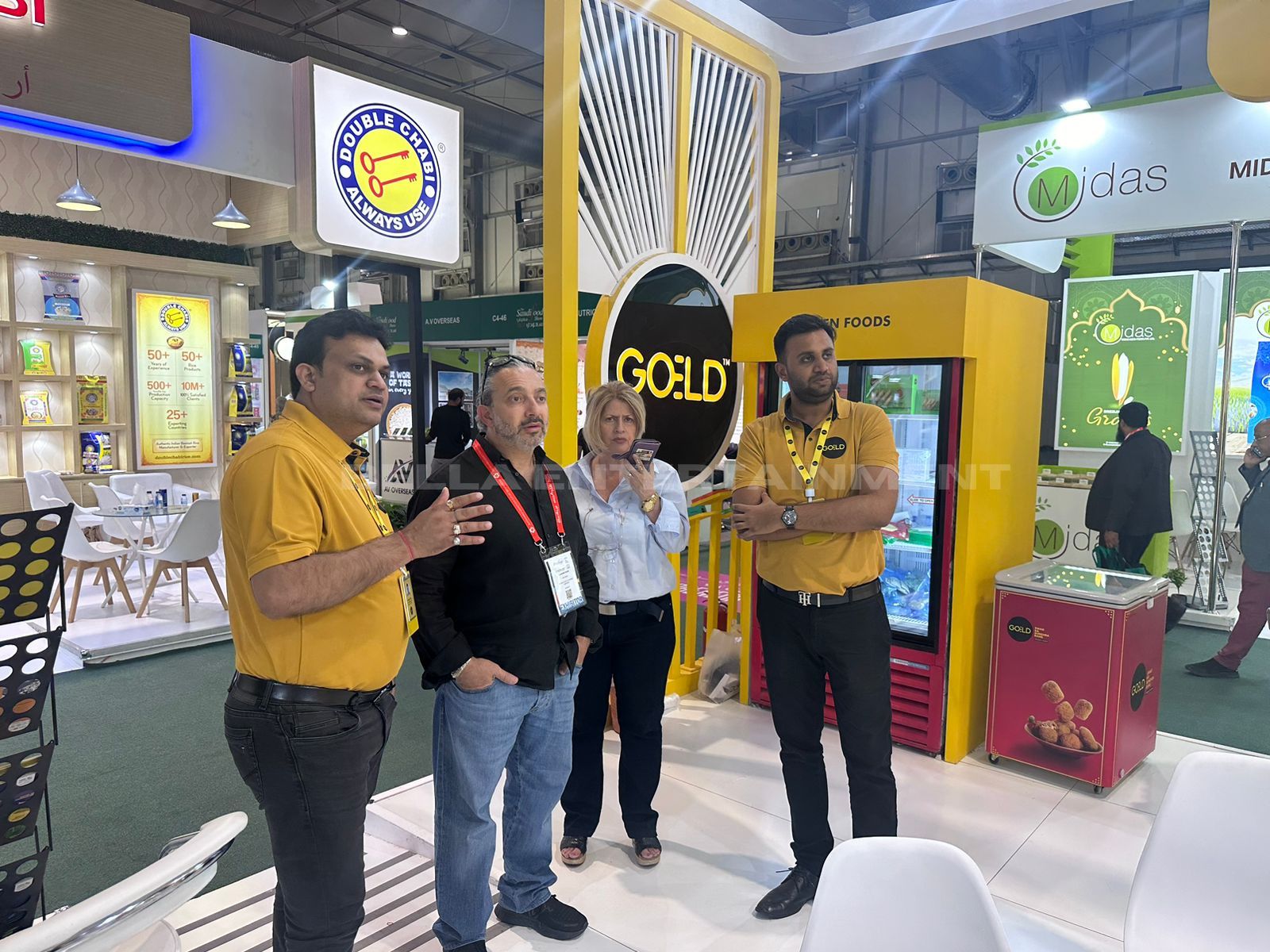
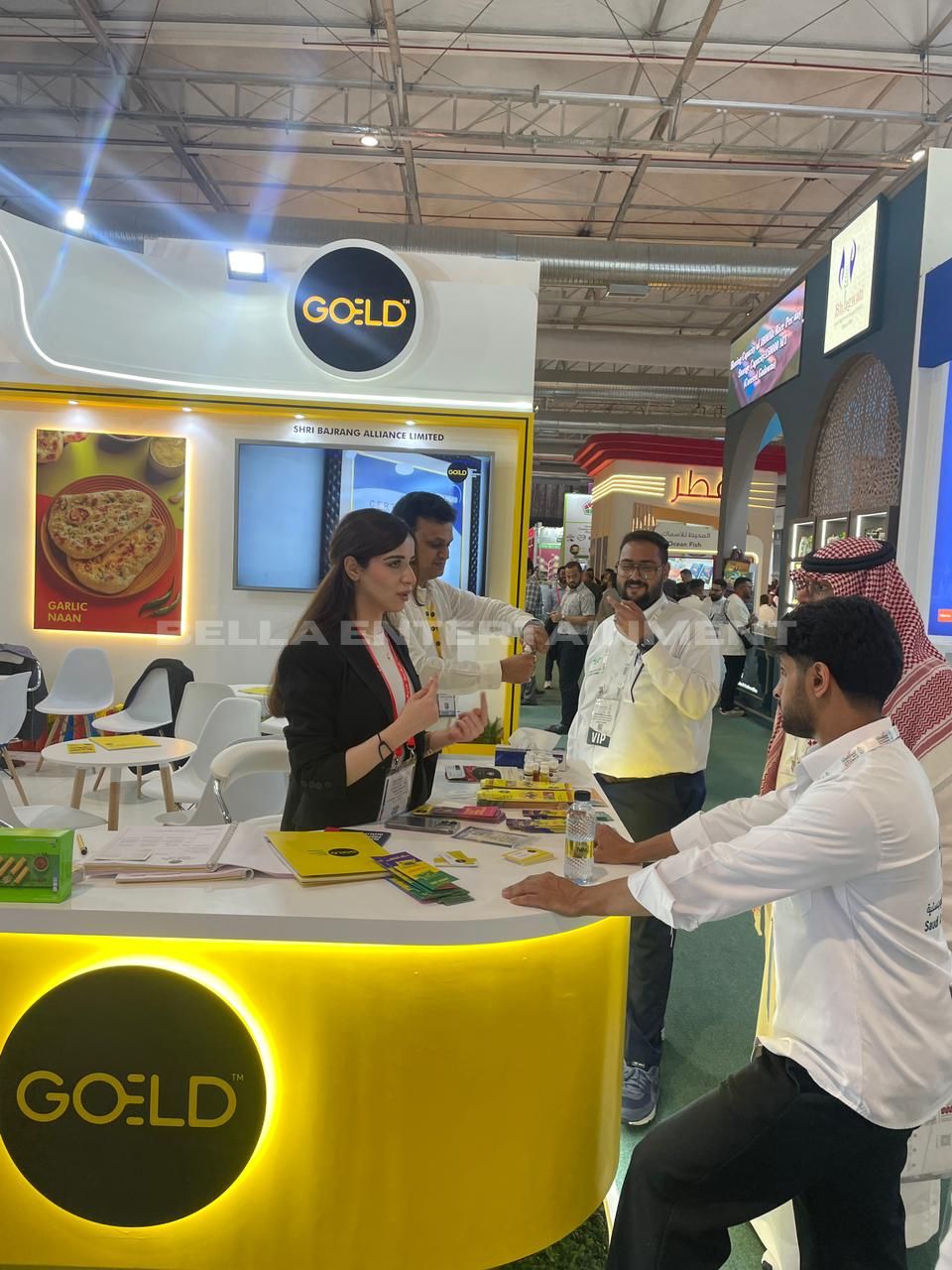
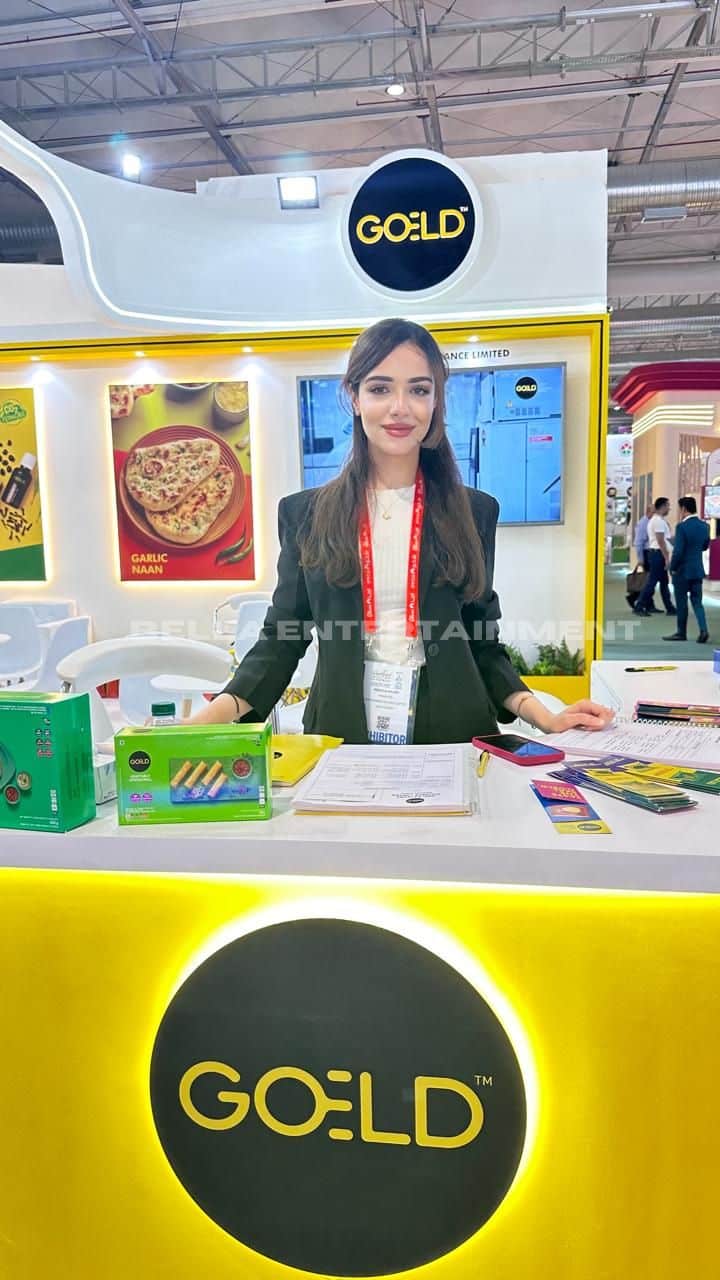
- Promoters and brand ambassadors: product demos, sampling, lead capture at mall activations and trade booths.
- Stage crew and backstage runners: AV support, changeovers, speaker handling for conferences and award shows.
- Security and crowd control staff: licensed security for public events, festivals and high-footfall activations.
Most corporate clients book a mix: registration plus ushers plus a handful of hostesses for a conference, or hostesses plus waiters plus bartenders for a gala dinner. We build the mix once we know the guest count and the run of show.
Event staff rates in Dubai, current season
Rates depend on the role, whether staff need to speak Arabic or a third language, the venue tier and how far in advance you book. The table below is a realistic current-season range for a standard 4 to 6 hour shift. Confirm exact pricing for your date, since November through February peak season adds 10 to 20 percent to most lines.
| Role | AED per person, per shift | Typical minimum |
|---|---|---|
| Hostess (English) | 250 to 400 | 4 hours |
| Hostess (bilingual Arabic/English) | 350 to 550 | 4 hours |
| Usher / seating assistant | 250 to 380 | 4 hours |
| Registration staff | 280 to 420 | 5 hours |
| Waiter (banquet service) | 250 to 400 | 5 hours |
| Bartender (licensed venue) | 350 to 600 | 5 hours |
| Barista / mocktail specialist | 350 to 550 | 5 hours |
| Promoter / brand ambassador | 300 to 500 | 6 hours |
| Stage crew / backstage runner | 300 to 500 | 6 hours |
| Security staff (licensed) | 350 to 600 | 6 hours |
| On-site supervisor (per team of 10+) | 500 to 800 | full shift |
Uniforms, a pre-event briefing and standard grooming are included in these rates. Overtime beyond the booked shift is billed per hour, usually at 1.25 to 1.5 times the hourly rate. See our DJ hire pricing guide if you are also budgeting entertainment alongside staffing for the same event.
How much staff do you need: 100, 500 and 2,000 guests
Clients almost always ask for a headcount before they ask for a price. Here is the rule of thumb we use, adjusted for whether the event is seated, standing or exhibition-style.
| Event size | Typical staffing plan |
|---|---|
| 100 guests, seated dinner | 2 hostesses, 4 to 6 waiters, 1 bartender, 1 usher |
| 500 guests, gala dinner | 4 to 6 hostesses, 20 to 25 waiters, 3 to 4 bartenders, 4 ushers, 1 supervisor |
| 2,000 guests, conference or exhibition | 10 to 15 registration staff, 8 to 10 hostesses, 6 ushers, 10 to 15 promotional/booth staff, 2 to 3 supervisors, security as required by venue |
These are starting points, not fixed formulas. A cocktail-style networking event needs fewer seating staff but more roaming waiters. A product launch with a press wall needs extra hostesses purely for photo management. Send us the run of show and we adjust the plan before quoting.
Event staff services for exhibitions, conferences and corporate bookings
Dubai World Trade Centre, Expo City Dubai and ADNEC in Abu Dhabi run back-to-back exhibitions for most of the year, and stand builders and exhibitors book staffing separately from the main show organiser. The common ask is registration and badge staff for the first two hours of each show day, plus booth assistants and multilingual greeters for the full run. For a three-day exhibition, most exhibitors book staff on a day-rate rather than per-shift basis, which usually works out 10 to 15 percent cheaper than booking each day separately.
For internal corporate events, awards nights and staff parties, HR and internal comms teams tend to under-budget staffing because it is not the headline cost like the venue or entertainment. A 400-person staff party at a beach club still needs 4 to 6 hostesses for check-in, 15 to 20 waiters, and 2 to 3 bartenders, the same as an external client event. See our guide to corporate event entertainment in Dubai for pairing staffing with the right act.
Permits, insurance and compliance for event staffing in Dubai
Staffing itself does not usually require a separate permit, but the event around it might. Public events, ticketed events and anything held outside a licensed venue need a DET (formerly DTCM) entertainment permit in Dubai or a DCT permit in Abu Dhabi, and the venue or organiser is responsible for holding it, not the staffing agency. If your event includes alcohol service, bartenders must work within a venue that holds its own liquor licence, since staff cannot serve alcohol at an unlicensed location regardless of permit status.
Hotel venues, including Atlantis The Palm, Madinat Jumeirah and Address Downtown, require an NOC or vendor pass for external staff working on their premises, arranged in advance through their events team. Ask your agency whether their staff carry valid Emirates ID and whether the agency itself is licensed to supply labour, since unlicensed suppliers can leave you exposed if there is an incident on site. For the permit side specifically, our DET event permit cost guide covers current fees and timelines.
The expensive mistake: booking staff without a briefing
The single most common failure is treating staff as interchangeable bodies and skipping the pre-event briefing. Staff who do not know the run of show, the VIP list, dietary flags or where the fire exits are will improvise, and improvising in front of 500 guests looks like chaos. Always confirm a briefing slot, ideally 30 to 45 minutes before doors open, is built into the booking. It costs nothing extra and it is the difference between staff who manage the room and staff who stand in it.
How to hire event staff in Dubai: process and lead time
The booking process is straightforward once you have three numbers: date, venue and guest count.
- Brief: share event type, date, venue, guest count and any language requirements.
- Proposal: receive a staffing plan and AED quote, usually within one working day.
- Confirmation: sign off with a PO or deposit, invoiced with 5 percent VAT as standard in the UAE.
- Briefing: staff are briefed on the run of show, dress code and any VIP or dietary notes, either the day before for large events or on arrival for smaller ones.
- Execution: a supervisor manages the team on site for bookings above 15 staff, and reports back with a short debrief.
Lead time is 5 to 15 days for most bookings under 50 staff. November and December are the tightest months in Dubai's event calendar, with gala dinners, exhibitions and corporate year-end parties overlapping, so lead times stretch to 3 to 4 weeks and popular roles like bilingual hostesses and licensed bartenders get booked out first. If your event falls in that window, brief us as early as possible.
For events involving dance or cultural performance alongside staffing, our belly dancers for hire and live music artists pages cover entertainment booking on the same terms. And for a full view of what else we cover beyond staffing, our event types page lists every format we service, from yacht parties to mall activations.
Send us your event date, venue and headcount on WhatsApp at +971 50 541 7318 and we will come back with a staffing plan and AED quote within a working day.
Frequently asked questions
How much does event staffing cost in Dubai?
Most roles run from AED 250 to AED 900 per person per shift depending on the role, language requirements and event type. Hostesses and ushers sit at the lower end, licensed bartenders and bilingual staff at the higher end, and a supervisor is usually added for bookings above 15 staff. Peak season, November to February, typically adds 10 to 20 percent.
What is the minimum booking for event staff in Dubai?
Most event staffing agencies in Dubai set a minimum of 4 to 6 hours per person per shift, regardless of how short the actual event is. Multi-day exhibitions are usually quoted on a day-rate basis rather than per shift, which works out cheaper than booking each day individually.
Do I need a permit to hire event staff in Dubai?
Staffing itself does not need a separate permit, but the event around it might. Public or ticketed events need a DET entertainment permit in Dubai or a DCT permit in Abu Dhabi, held by the venue or organiser. Hotel venues also require an NOC or vendor pass for external staff working on their premises.
Can event staff serve alcohol in Dubai?
Bartenders can only serve alcohol at venues holding their own liquor licence. An event staffing agency can supply trained bartenders, but the legal responsibility for the alcohol licence sits with the venue, not the staffing supplier. Unlicensed venues can only be served non-alcoholic drinks, mocktails or Arabic coffee.
How many staff do I need for a 500 guest event?
A typical plan for a 500-guest gala dinner is 4 to 6 hostesses, 20 to 25 waiters, 3 to 4 bartenders, 4 ushers and one on-site supervisor. The exact mix shifts depending on whether the event is a seated dinner, a cocktail reception or an exhibition-style format.
How far in advance should I book event staff in Dubai?
Five to 15 days is enough for most bookings under 50 staff. November and December are peak months for Dubai's event calendar, so bookings during that window should go in 3 to 4 weeks ahead, since bilingual hostesses and licensed bartenders get booked out first.
Do event staffing agencies in Dubai provide bilingual staff?
Yes. Bilingual English and Arabic hostesses, ushers and registration staff are standard requests for corporate events, exhibitions and government-linked functions, and cost roughly AED 100 to AED 150 more per shift than English-only staff. Multilingual staff covering languages such as French, Russian or Mandarin can also be arranged with advance notice.
Ready to book your event staff?
Send us your date, venue and headcount and get a staffing plan with AED pricing within a working day.
Get a Free Quote