
Dubai Event Permit Guide: What You Actually Need
Dubai Event Permit Guide: What You Actually Need
What gets a permit, what doesn't, who issues it, and why performers get stuck at the border when nobody applied early enough.
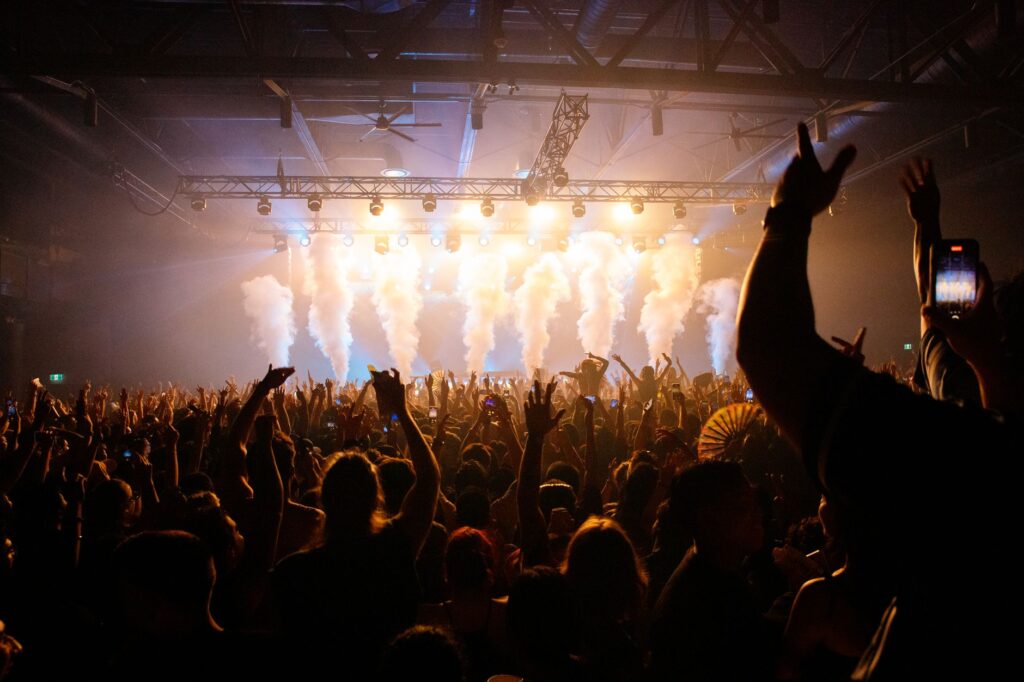
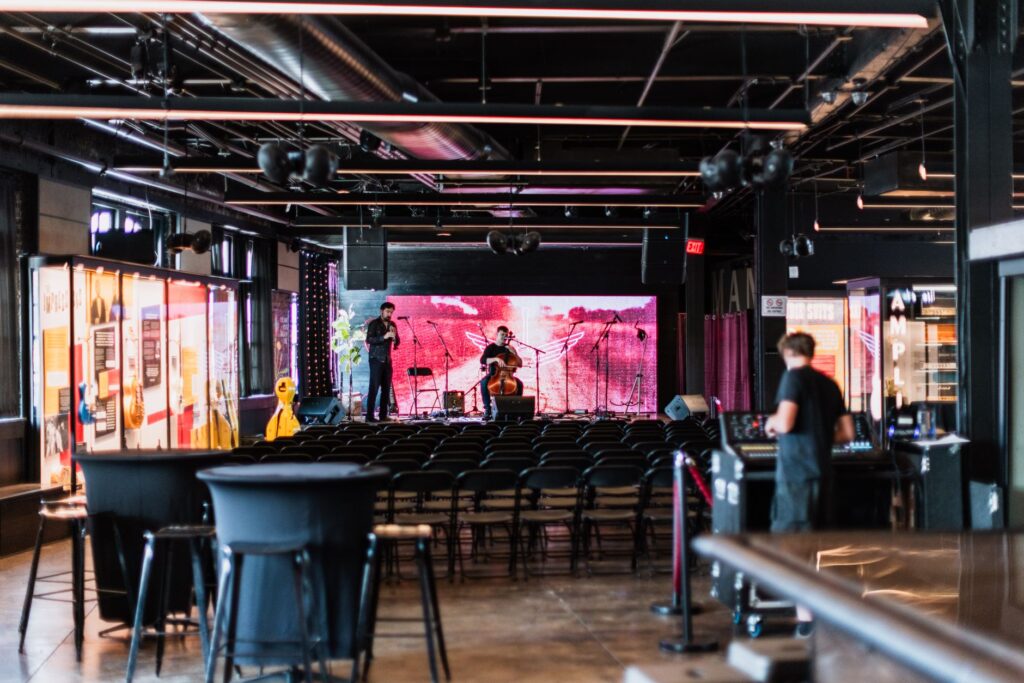
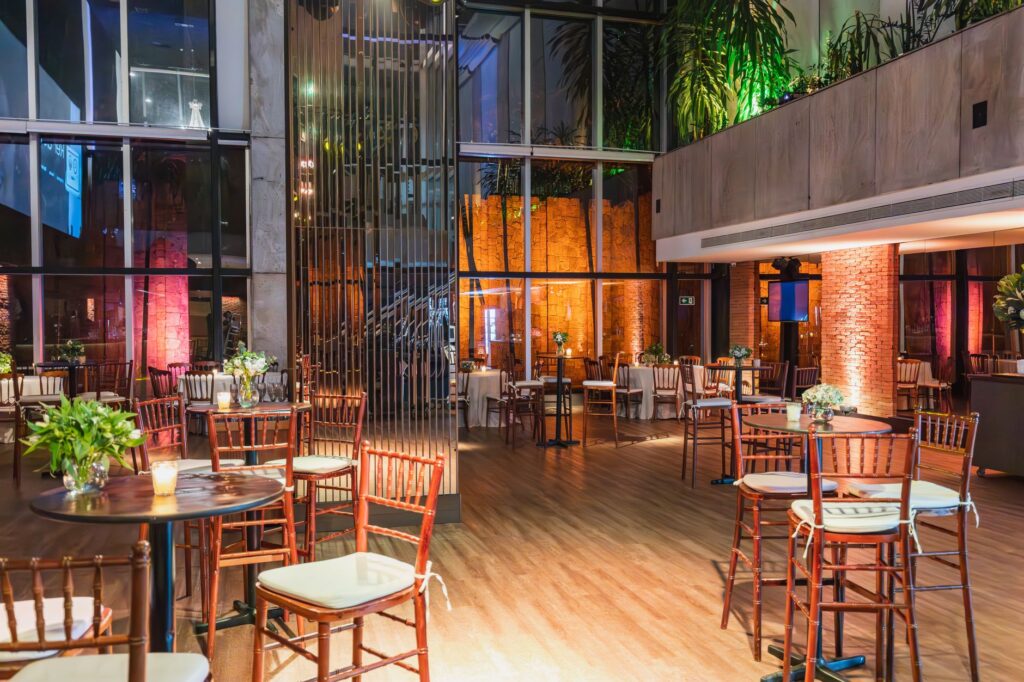
Most private indoor events with a fixed guest list, held inside a licensed hotel or venue, do not need a separate government event permit. The venue's own trade license and civil defence certificate cover it. Public, ticketed, or outdoor events need approval from Dubai's Department of Economy and Tourism, usually alongside Dubai Police, applied for 10 to 30 working days ahead. Entertainment acts carry their own paperwork on top of the main permit: work permission for performers entering on a visit visa, and content clearance for anything filmed or broadcast.
- How to get an event permit in Dubai
- Who actually needs a permit, and who doesn't
- Dubai event permit cost
- Event permits in Abu Dhabi, what's different
- Entertainment specific permissions: performers, music, costumes
- How long does a Dubai event permit take
- Documents you need before you apply
- FAQ
1. Process
How to get an event permit in Dubai
You apply through the Department of Economy and Tourism (DET), the authority that replaced the old Dubai Department of Tourism and Commerce Marketing (DTCM) for most event and filming approvals. For anything public facing, ticketed, or held outdoors, DET approval usually runs alongside a separate security clearance from Dubai Police. In practice, the venue or a licensed event management company submits the application on your behalf, because DET generally deals with a registered entity rather than an individual client.
The sequence that actually works: lock the venue and date first, confirm the event format (private, public, ticketed, outdoor), then submit the permit application with your run sheet, floor plan, and expected headcount. Entertainment bookings, stage builds, and any filming plan get attached at this stage, not after. We've had clients try to add a dance act or a pyrotechnics cue two weeks before an event that already had its permit approved, and the answer from the authority is almost always to resubmit, which resets the clock.
2. Scope
Who actually needs a permit, and who doesn't
A private dinner in a hotel ballroom, with a guest list you control and no external ticketing, typically sits under the venue's existing license. You don't file a separate government permit for that. The venue's civil defence certificate, alcohol license if relevant, and entertainment-on-premises approval already cover the activity happening inside their walls.
The moment it stops being private, the calculation changes. Public access, paid tickets, outdoor space, use of a public road or beach, a stage visible from outside the venue, or anything advertised to the general public pushes you into DET and Dubai Police territory. Corporate launches held at a public venue, brand activations in malls, and any event with a marketing push that invites the public in all fall into this category, even if attendance is modest.
3. Budget
Dubai event permit cost
Permit fees scale with event size, venue type, and how many separate approvals you need stacked together. A small private activation inside a licensed venue often adds little or no extra government fee beyond what the venue already charges. A mid-size public event with Dubai Police involvement and a temporary stage sits in a noticeably higher bracket once you add civil defence sign-off. A large ticketed public event with filming, pyrotechnics, and multiple entertainment acts carries the most line items, and the total is rarely a single number you can quote in advance.
| Permit or approval | Issued by | Typical lead time | Who usually applies |
|---|---|---|---|
| General public event permit | Department of Economy and Tourism (DET) | 10 to 20 working days | Venue or licensed event organiser |
| Crowd and security clearance | Dubai Police | 10 to 20 working days, often parallel to DET | Event organiser |
| Temporary stage, tent, or fireworks NOC | Dubai Civil Defence | 2 to 4 weeks depending on structure | Production company or rigging supplier |
| Filming or photography for broadcast, ads | Dubai Film and TV Commission | 3 to 10 working days | Production company |
| Performer visa or work NOC | GDRFA and the sponsoring agency's trade license | Varies by nationality, confirm early | Entertainment agency or sponsor |
Treat every figure above as a planning range, not a quote. Fee schedules and classification change, and the authority will confirm the exact cost once they see the actual event scope. Budget for the permit process as its own line item with contingency, not as an afterthought folded into production.
4. Abu Dhabi
Event permits in Abu Dhabi: what's different
Abu Dhabi runs its own system. Public events go through the Department of Culture and Tourism Abu Dhabi (DCT Abu Dhabi) rather than DET, with Abu Dhabi Police handling the security side in place of Dubai Police. The logic is similar: private events inside a licensed venue generally don't need a separate submission, public and ticketed events do.
The practical difference clients notice most is turnaround. Abu Dhabi approvals for larger public events can run on the longer end, closer to 2 to 4 weeks, particularly where a venue like a convention centre or an outdoor public space is involved. If your event straddles both emirates, for example a press event in Abu Dhabi followed by a public launch in Dubai, file each application separately and early. Nobody accepts a permit from one emirate as proof for the other.
5. Entertainment
Entertainment specific permissions: performers, music and costumes
A general event permit covers the event taking place. It does not automatically cover every performer on your stage. Foreign entertainers working in the UAE on a visit visa need sponsorship and work permission arranged through a licensed entertainment agency, applied for before the performer books flights, not after. We coordinate this routinely for live bands, specialty acts, and dance groups, and the single biggest avoidable delay is a client confirming an act's travel before the sponsorship paperwork is even started.
Content matters too. Costume, choreography, and music genre can all need sign off depending on venue type and the time of year, and restrictions tighten during certain religious periods such as Ramadan, when public live music and dance are often curtailed or reformatted. If you're booking culturally specific acts, our Arabic entertainment and live performers page covers what typically works in a Gulf market context, and acts like our Ayala dancers are booked often enough that we have the approval process down to a routine. Browsing by act type before you lock a concept saves a second round of permit paperwork later.
6. Timeline
How long does a Dubai event permit take
Plan on 10 to 20 working days for a standard public event permit once your application is complete, longer if Dubai Civil Defence needs to inspect a temporary structure or if filming is involved. That window assumes your paperwork is right the first time. Incomplete floor plans, a run sheet that doesn't match the entertainment booked, or a missing NOC from the venue all bounce the application back, and each bounce adds days you don't get back.
The realistic rule we give clients: start the permit conversation the same week you confirm the venue, not after you've booked entertainment, printed signage, or briefed press. For anything with an outdoor element, a public road closure, or fireworks, push that further back again, closer to six weeks out.
The mistake that costs the most
Confirming and paying international performers, flights, and hotel before the permit and the performer's own work approval are secured. If the event permit is delayed or the entertainment content gets flagged at review stage, you're left cancelling flights, rebooking acts, or running an event without the entertainment you marketed. Hold performer deposits conditional on permit approval, and build the entertainment brief into your first permit submission rather than adding it later.
7. Paperwork
Documents you need before you apply
Every application wants the same core pack: a signed venue confirmation or NOC, a floor plan showing stage, seating, and exits, the event run sheet with timings, expected headcount, and a description of every entertainment act with nationality details for foreign performers. Add a fire and safety plan if you have a temporary structure, and a filming brief if cameras are rolling for anything beyond personal use.
If you're planning the entertainment lineup alongside the permit, work out the format first using our event type breakdown, since a gala dinner, a brand activation, and a public festival each trigger different approval paths even with the same acts booked.
Frequently asked questions
Do I need a permit for a private event in Dubai?
Usually not, if the event is held inside a licensed venue, the guest list is controlled, and there's no public ticketing or advertising. The venue's existing trade license and civil defence certificate cover a standard private function. The moment the event becomes public, ticketed, or moves outdoors, you typically need a separate permit from DET and often Dubai Police.
How long does a Dubai event permit take to get approved?
Expect 10 to 20 working days for a standard public event permit with complete documentation. Add time if a temporary stage, fireworks, or filming is involved, since Dubai Civil Defence or the Dubai Film and TV Commission need to review those separately. Incomplete applications get sent back, which resets the timeline, so most organisers start the process the same week the venue is confirmed.
What is a DTCM permit and does it still exist?
DTCM was the Dubai Department of Tourism and Commerce Marketing, the former name of the authority now operating as the Department of Economy and Tourism (DET). People still search and ask for a "DTCM permit" out of habit. The function is the same: event and filming approvals for Dubai are handled by DET today.
Do foreign entertainers need a separate permit to perform in Dubai?
Yes. Beyond the event's own permit, a foreign performer entering on a visit visa needs sponsorship and work permission arranged through a licensed entertainment agency before the event date. This is separate from the venue or event permit and has its own lead time, which is why acts should be confirmed and submitted for approval well before travel is booked.
Are event permits in Abu Dhabi different from Dubai?
Yes. Abu Dhabi events go through the Department of Culture and Tourism Abu Dhabi (DCT Abu Dhabi) and Abu Dhabi Police instead of Dubai's DET and Dubai Police. The private versus public distinction works the same way, but turnaround for larger public events in Abu Dhabi can run longer, closer to 2 to 4 weeks, so build extra lead time if your event is there.
How much does a Dubai event permit cost?
There's no fixed figure, because cost depends on event size, venue, and how many separate approvals stack together, such as police clearance, civil defence, and filming. A small private activation often adds little extra cost beyond the venue's own charges, while a large public event with a stage and filming carries several fee lines. Confirm the exact cost with the venue or authority once your event scope is set.
Can a hotel or venue apply for the event permit on my behalf?
Often yes, and for most corporate and private bookings the venue or a licensed event management company is the one submitting the application, since authorities generally deal with a registered entity rather than an individual client. Confirm with the venue early whether they handle this in-house or expect you to bring your own licensed organiser.
Need entertainment that's already permit ready?
Tell us the venue, date, and format, and we'll flag what the entertainment lineup needs before it holds up your event permit.
Get a Free QuoteBook now or send your inquiry via email or WhatsApp: +971 50 541 7318.
SHARE TO: