
Corporate Event Entertainment Dubai: Acts, Prices and What to Book
What actually works in a Dubai ballroom, on a mall stage, or at a Palm Jumeirah gala, and what it costs.








★★★★★We hired a band from Bella Entertainment for a work function and it was just brilliant. Great comms, great organisation and brilliant friendly performers. Recommending without hesitation.
Natasha Hatherall-Shawe, Google review
★★★★★We booked Bella Entertainment's African drummers and dancers for our corporate event, and it was an amazing experience! The 30-minute performance was energetic, engaging, and truly entertaining.
Kavya Ashok, Google review
★★★★★Organized my yacht party with hiring a sax player and DJ for my birthday. Very good timing from Bella team and excellent price quality entertainment agency in UAE.
Walter P., Google review
Rated 4.4 on Google from 25 reviews. Read all reviews
Corporate event entertainment in Dubai typically costs AED 3,500 to AED 45,000 depending on the act, from a solo saxophonist or magician working the floor to a full live band, LED drummer and MC package for a 300 to 500 guest gala. Most corporate bookings need a live band or DJ, a professional MC, and one or two specialty acts such as a magician, cultural dance troupe, or LED show. Book six to eight weeks out for a straightforward evening, and ten to twelve weeks out for anything at Atlantis The Palm, Madinat Jumeirah or Expo City Dubai, since weekday ballroom slots fill fast in peak season (October to April).
- Why corporate events in Dubai need more than a playlist
- Corporate event entertainment ideas Dubai planners actually use
- Entertainers for corporate events: what to book by event type
- Corporate entertainment Dubai price table
- Permits: what a corporate entertainment agency handles for you
- The most expensive mistake corporate planners make
- How to book with Bella Entertainment
Why corporate events in Dubai need more than a playlist
A conference room with a Spotify playlist and a rented microphone reads as an afterthought, and guests in Dubai have seen better at the hotel down the road. Corporate event entertainment Dubai companies book is judged against a high local bar: five-star ballrooms, branded activations, and government-linked galas that all compete for the same pool of live bands, MCs and specialty acts. If the entertainment is generic, the event feels generic, no matter how good the catering was.
Entertainment does three jobs at a corporate event that catering and décor cannot. It paces the evening, so a 300-guest gala dinner does not sag between the welcome speech and the awards segment. It gives people something to talk about with a client they just met, which is the actual point of most networking events. And it signals budget and taste, which matters more than most planners admit when the CEO or a government sponsor is in the room.
Corporate event entertainment ideas Dubai planners actually use
The acts that get rebooked year after year in Dubai are not the flashiest ones, they are the ones matched correctly to the room. Below is what actually gets used, ranked roughly by how often we get asked for it.
- Live band or solo musician: a jazz trio or acoustic duo for a cocktail reception, a 6 to 8 piece function band for a gala dinner and dance floor. Still the single most requested corporate act in Dubai.
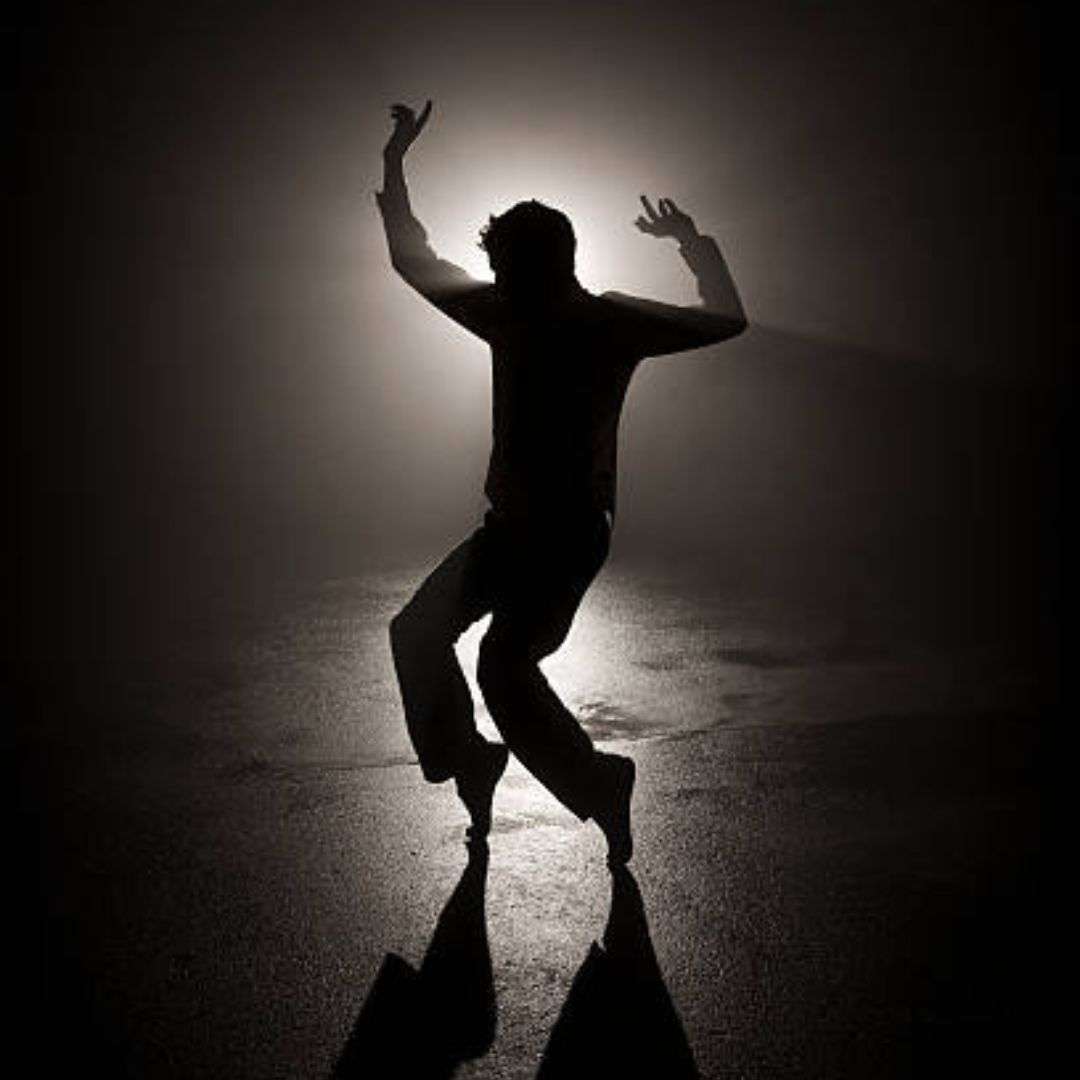
- DJ with a live element: a DJ paired with a saxophonist, percussionist or LED drummer reads as a bigger production than a DJ alone, for a modest add-on cost.
- Professional MC or bilingual host: essential for anything with an agenda, awards, speeches or a sponsor to thank. English-Arabic bilingual MCs are booked constantly for Dubai and Abu Dhabi corporate events.
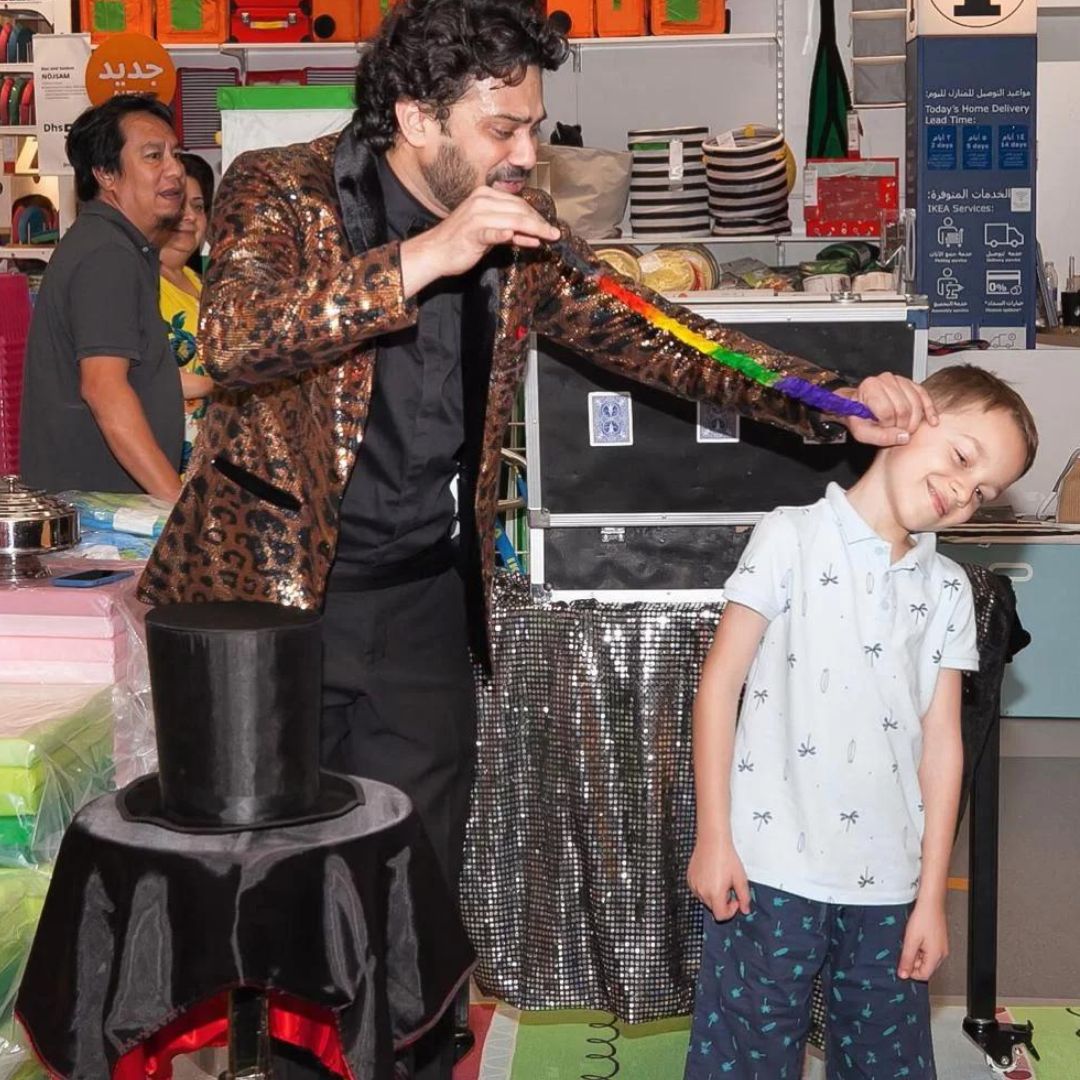
- Roaming and interactive acts: close-up magicians, LED or living statue performers, caricaturists working the floor during networking segments where a stage act would kill the conversation.
- Cultural performances: belly dancers, tanoura dancers, and Gulf folk troupes for galas with international guests, product launches with a regional theme, or Saudi and UAE national day tie-ins.
- LED, laser and light acts: LED dancers or a short laser show for a product reveal or tech-themed conference, usually run as a 5 to 8 minute segment rather than the whole night.
- Fire performance: outdoor evening events only, and only with the venue's written approval, since most Dubai hotels and Expo City require fire risk assessment before they allow it.
- Comedians and keynote-style entertainers: used sparingly at Dubai corporate events because content needs pre-approval for language and cultural sensitivity, but effective at internal staff events and award nights.
Browse the full act types we book for corporate events if you want to see performers by category before you get a quote.
Entertainers for corporate events: what to book by event type
The right entertainers for corporate events depend entirely on the format. A gala dinner and a mall activation share almost nothing in terms of what makes an act land.
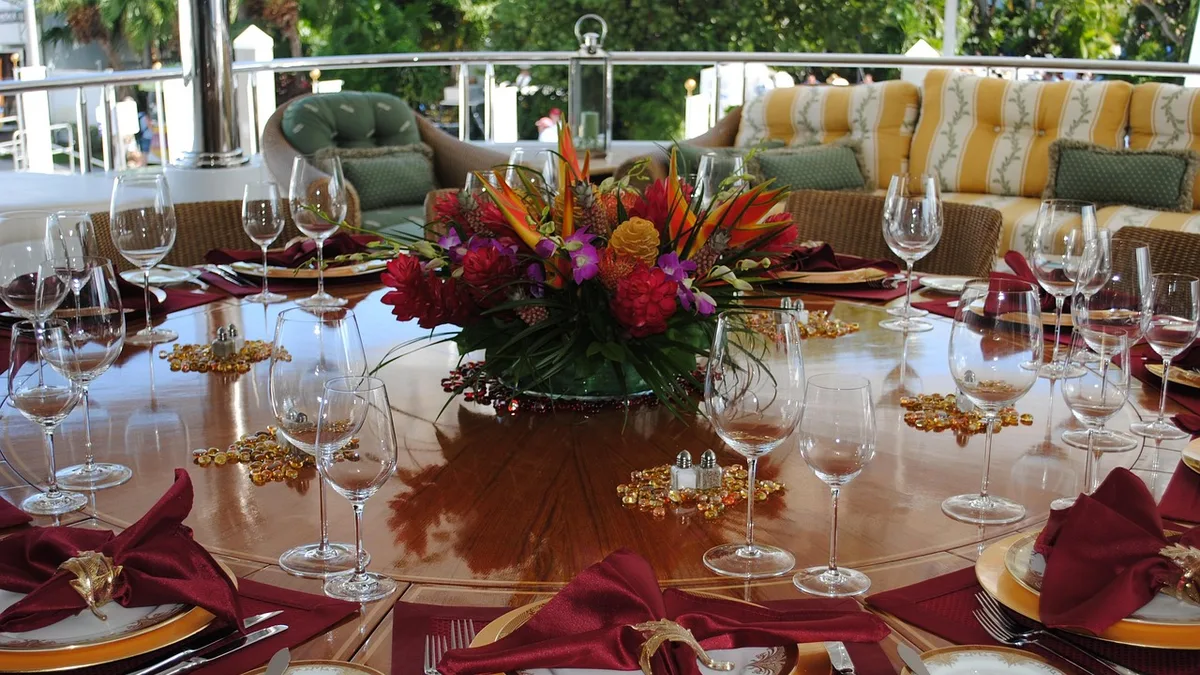
Gala dinners and award nights. Live band or orchestra for arrivals and dinner, bilingual MC to run the awards segment, and one visual moment, a cultural dance act or LED performance, timed between courses. Venues like Atlantis The Palm, Emirates Palace and Madinat Jumeirah ballrooms all have house AV and stage specs your entertainment agency should already know before you sign a venue contract.
Product launches and brand activations. Short, high-impact segments beat a long show: a 3 to 5 minute LED or aerial reveal timed to the product unveiling, hostesses to manage flow and guest lists, a DJ to hold energy before and after. Mall activations at Dubai Mall or City Walk need DET-permitted performers and usually a shorter, louder, more visual act than a hotel ballroom would.
Conferences and networking events. Roaming magicians or caricaturists during breaks and registration, a comedian or entertaining keynote speaker if the agenda allows it, and background music rather than a full band, since the room needs to stay conversational.
Yacht parties and off-site incentives. A DJ and one compact specialty act, a saxophonist or a small dance act, works better than a full band on a boat given deck space and power limits. Sound levels also need checking with the marina operator.
See entertainment options by event type for more detail on what fits each format, or look at live music artists for hire in Dubai if music is your main entertainment line item.
Corporate entertainment Dubai price table
Prices below are typical current rates for a standard corporate booking in Dubai and Abu Dhabi, for a single set of roughly 45 to 90 minutes unless noted. Confirm exact pricing against your date, since peak season (October through April) and Thursday or Friday evenings run higher than quiet midweek slots in summer.
| Act | Typical AED range | Notes |
|---|---|---|
| Solo musician (sax, violin, oud) | 2,500 to 6,000 | Per set, cocktail hour or dinner background |
| Live band (6 to 8 piece) | 12,000 to 30,000 | Gala dinner and dance floor set |
| DJ | 3,500 to 12,000 | Varies with reputation and set length |
| Professional MC / bilingual host | 3,000 to 8,000 | Half day to full evening |
| Belly dancer or cultural troupe | 3,000 to 9,000 | Per performer or troupe, per show |
| Magician (roaming, close-up) | 2,500 to 6,000 | 1 to 2 hours of table-to-table work |
| LED dancers / light act | 4,000 to 12,000 | Short segment, 5 to 10 minutes |
| Hostesses (per hostess) | 500 to 1,200 | Per hostess, per event, minimum hours apply |
| Full package (band, MC, one specialty act) | 25,000 to 45,000 | 300 to 500 guest gala, excludes AV and staging |
AV, staging, lighting rig and tenting are quoted separately and depend heavily on venue and guest count. For hostess-specific pricing and roles, see the hostess agency page, and for DJ set structures and add-ons, see how much to hire a DJ in Dubai.
Permits: what a corporate entertainment agency handles for you
Live performances at public or ticketed events in Dubai generally require an entertainment permit from DET, formerly DTCM, and hotel or venue-based private events usually run under the venue's own license, though this varies by act and location, so confirm with your venue and agency before you commit dates. Abu Dhabi events fall under DCT rules instead. A private corporate event inside a hotel ballroom, with a closed guest list, is a different permit situation to a mall activation or an outdoor public stage, which is why the paperwork question comes up on almost every corporate booking we take.
Fire performance, pyrotechnics and anything involving open flame or aerial rigging typically needs a separate risk assessment and sign-off from the venue's engineering or safety team, on top of any entertainment permit. This can take one to two weeks to clear at busy venues, so flag it early rather than the week of the event.
A corporate entertainment agency that works in Dubai regularly should be handling permit paperwork as part of the booking, not leaving it to the client. Read more on DTCM event permit cost in Dubai if you are budgeting this yourself or working with a venue for the first time.
The most expensive mistake we see
Booking the venue and catering first, then trying to fit entertainment into whatever budget is left over. By that point there is usually no room for a proper MC or a decent band, and the client ends up with a DJ and a microphone for a 400-guest gala that needed more. Set the entertainment budget alongside the venue budget, not after it, and lock your act at least six to eight weeks out. Ballrooms at Atlantis The Palm, Madinat Jumeirah and similar venues book out fast between October and April, and the good bands and MCs go with them.
Corporate entertainment agency: what you should expect
A corporate entertainment agency in Dubai should give you a written quote within a working day, a shortlist of specific performers with video or audio samples, not just a category, and a clear breakdown of what is included: sound, staging, permits, travel for the crew. If a supplier cannot name the exact act they are proposing before you pay a deposit, that is a sign they are subcontracting blind and you will find out who actually shows up on the day.
Bella Entertainment has worked corporate events at Atlantis The Palm, Burj Al Arab, Madinat Jumeirah, Address Downtown, Dubai World Trade Centre, Expo City Dubai, Emirates Palace and Yas Island for over a decade, across the UAE, Saudi Arabia, Qatar, Bahrain, Kuwait and Oman, with offices in Dubai and Abu Dhabi and a sister agency in Singapore. We book the act, handle the permit conversation with the venue, and manage the crew on site so the planner is not the one chasing a musician's ETA an hour before doors open.
How to book corporate event entertainment in Dubai
Send us your event date, venue and headcount on WhatsApp at +971 50 541 7318 and we will come back with a quote and a shortlist of specific acts within a working day.
Frequently asked questions
How much does corporate event entertainment cost in Dubai?
Individual acts typically range from AED 2,500 for a solo musician or magician up to AED 12,000 to 30,000 for a full live band, with a complete package of band, MC and one specialty act for a 300 to 500 guest gala running AED 25,000 to 45,000. AV, staging and lighting are quoted separately based on venue and guest count.
What is the best entertainment for a corporate event in Dubai?
A live band or DJ plus a professional MC covers most corporate formats. Add a roaming act like a magician for networking segments, or a short LED, cultural dance or aerial segment for galas and product launches. The best choice depends on whether the room needs background energy, a paced program, or one big visual moment.
Do I need a permit for entertainment at a corporate event in Dubai?
Public or ticketed events generally need a DET (formerly DTCM) entertainment permit in Dubai, or a DCT permit in Abu Dhabi. Private corporate events inside a hotel ballroom with a closed guest list usually run under the venue's license, though this varies by act, so confirm with your venue and agency before booking. Fire and pyrotechnic acts need separate safety sign-off.
How far in advance should I book corporate entertainment in Dubai?
Book six to eight weeks ahead for a standard evening event, and ten to twelve weeks ahead for galas at popular venues like Atlantis The Palm or Madinat Jumeirah, especially between October and April when ballrooms and top bands book out fastest. Specialty acts like aerialists or large cultural troupes also need longer lead times to confirm.
What entertainment works for a corporate product launch in Dubai?
Short, high-impact segments work best: a 3 to 5 minute LED, laser or aerial reveal timed to the product unveiling, hostesses to manage guest flow, and a DJ to hold energy before and after. Mall activations need DET-permitted performers and a louder, more visual act than a hotel ballroom event would use.
Can a corporate entertainment agency handle both talent and event production?
Yes, most established Dubai agencies book performers and also supply AV, staging, lighting, tenting and furniture, so one supplier manages the full entertainment and production line item. This avoids gaps between the sound company, the stage crew and the performers, which is where most on-the-day problems happen.
Is a live band or a DJ better for a corporate gala dinner in Dubai?
A live band suits formal galas and awards dinners where guests expect a fuller production and a dance segment later in the evening. A DJ, sometimes paired with a saxophonist or LED drummer, suits product launches and networking events where the room needs consistent energy without a long changeover between songs.
Ready to book corporate event entertainment in Dubai?
Send your date, venue and headcount and get a quote within a working day.
Get a Free Quote